 ফ্রিতে আইটি প্রশিক্ষণ, কোর্স শেষে চাকরির সুযোগ
 ফোনের চার্জ কখনো ফুরাবে না, যদি...
 Not a UFO, but... (Video)
 হজ ফরজ হওয়ার পর মাহরাম না থাকলে নারীদের করণীয়
Bangladesh at ‘high risk’ of measles: WHO
Staff Correspondent
File Photo
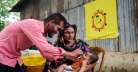
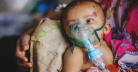
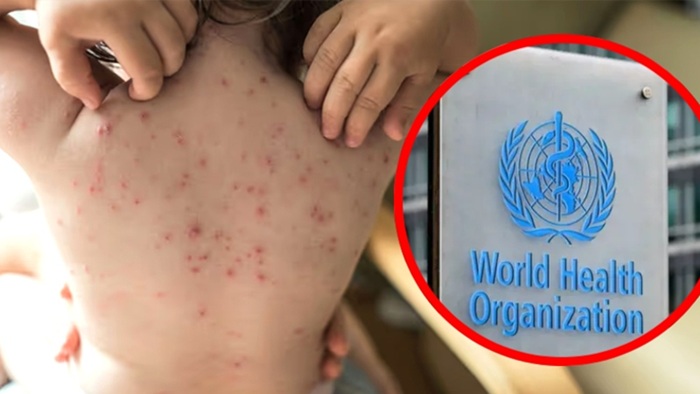
The World Health Organization (WHO) has expressed concern over the ongoing measles outbreak in Bangladesh and assessed it as a ‘high risk’. The organization released a detailed report on Thursday (April 23).
The report highlights the spread of infection, vaccine shortages and rising mortality rates in 58 of the country's 64 districts. The report also mentions that the current infection situation has given a major setback to the country's previous achievements.
According to WHO data, the number of measles patients in the country has started to increase abnormally since January 2026. From March 15 to April 14, 19,161 suspected patients were identified. 2,973 people have been confirmed to have measles in the laboratory. During this time, 166 children have died with measles symptoms. Currently, 12,318 people are undergoing treatment in various hospitals in the country.
According to the report, about 91 percent of the country’s districts are now affected by measles. Although infections have been detected in eight divisions of the country, Dhaka division is the most affected. Data from March 15 shows that there are 8,263 suspected patients in the Dhaka division.
The highest risk has been seen in Demra, Jatrabari, Kamrangirchar, Karail, Mirpur and Tejgaon industrial and slum areas. Among other divisions, infections are intensifying in Rajshahi (3,747 people), Chattogram (2,514 people) and Khulna divisions (1,568 people).
Children under the age of five are the most affected by the measles outbreak. 79 percent of the infected children are under the age of 5. Of these, 66 percent are under 2 years of age, and 33 percent are under 9 months of age.
Government statistics show that almost all of the children who died were unvaccinated or partially vaccinated (one dose). 91 percent of the patients are between 1 and 14 years of age, which is evidence of a major immunity deficit among children in this age group.
The World Health Organization says that the main reason for this situation is the national shortage of MR (measles-rubella) vaccine in the country in 2024-25. While vaccination coverage was 89 percent in 2000, it has declined alarmingly in 2024-25. The lack of a nationwide routine supplementary measles-rubella vaccination program (SIA) since 2020 has paved the way for this risk.
In addition, complications such as pneumonia, diarrhoea, blindness, and encephalitis are increasing the risk of death in children who are malnourished and vitamin A-deficient.
newsone24.com/Gazi








- `PM Hasina, the most influential Muslim female at present`
- নিউইয়র্ক আ.লীগের সাধারণ সম্পাদক গ্রেপ্তার ও জামিনে মুক্ত
- ক্ষমা চাইলেন এসপি জায়েদুল আলম
- লকডাউনে যেসব বিধিনিষেধ মানতে হবে
- রুশ বাহিনীতে যোগ দিলো নতুন ২ লাখ সেনা
- যা আছে মুনিয়ার সুরতহালে
- মোটরসাইকেলে যাত্রী পরিবহনে নিষেধাজ্ঞা
- ঝড় হতে পারে, সতর্ক সংকেত
- খালেদা জিয়া করোনায় আক্রান্ত: ফখরুল
- Not a UFO, but... (Video)
- মুশফিকের শততম টেস্টে হামজার বিশেষ বার্তা
- Bangladesh now world`s 33rd nuclear power plant country
- Limon body return, Brishti janaza 6 May
- গ্রেপ্তার ও বিচার থেকে আজীবন দায়মুক্তি পেলেন পাক সেনাপ্রধান
- Bangladesh at ‘high risk’ of measles: WHO